On Friday, the usual spring weather in the Valley which boasts 85 degree “baseball weather” was replaced with heat reminiscent of mid-July and topping 100 degrees plus.
The week before, reports across the nation placed Phoenix in the spotlight when temperatures reached 104 degrees, the heat escalated for more than a week breaking all recorded highs for March.
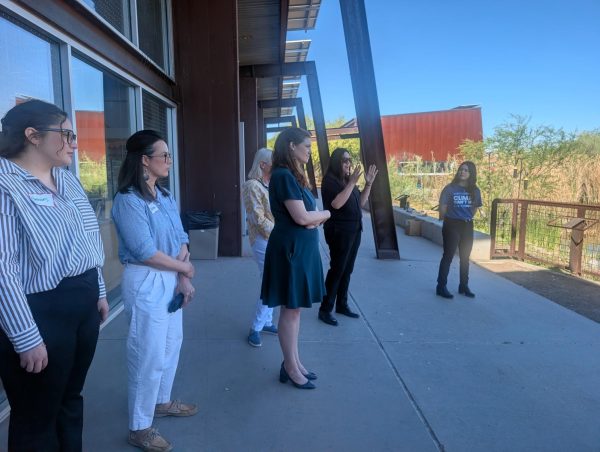
Despite the heat, concerned members of the community, advocates, and elected officials gathered at the Rio Salado Audubon Center in Phoenix to make the case that Arizona’s abundant sunshine is losing the advantage of utilizing it for clean energy—energy that isn’t reaching people who need it most.
The forum, hosted by the Arizona Sustainability Alliance, drew speakers from across policy, business, and advocacy to address a major issue: Arizona averages more than 300 sunny days a year, yet affordable solar continues to be out of reach for many low-income and Latino communities.
“Solar sounds like a simple solution, but there are complex things that need to happen to get there,” said Sotiria Anagnostou, CEO of the Arizona Sustainability Alliance. “A lot of our clean energy work is about advocacy and bringing people to the table to have these important conversations.”
Jason Lowry, director of public policy initiatives at Local First Arizona, a statewide coalition of more than 6,000 locally owned businesses, painted a bleak picture of recent federal rollbacks.
In 2025, Congress eliminated a clean energy tax credit that would have covered 30 percent of solar installation costs for small businesses across the country. The U.S. Department of Agriculture also canceled the Rural Energy for America Program, which had offered grants covering up to 50 percent of solar battery storage efficiency project costs for rural small businesses and agricultural producers across the state.
“At the start of 2025, we at Local First started the year with 30 businesses in the queue who wanted to pursue the Rural Energy for America Program,” Lowry said. “That opportunity basically evaporated one day to the next.”
Lowry shared that a Flagstaff farm and a Cottonwood hotel had each recovered more than half their solar installation costs through the now-gutted programs. “These programs work,” he said.
Phoenix City Councilwoman Anna Hernandez, whose District 7 includes South Phoenix and the Audubon Center, tied the energy conversation to public health. Her district’s average life expectancy is 10 years less than those living in North Scottsdale. District 7 is an area with some of the highest temperatures, pollution, food deserts and industrialization.
“We are watching the current administration roll back decades of environmental protections and investments in clean energy,” Hernandez said. “We must push to be leaders in solar.”
Vianey Olivarria, executive director of Chispa Arizona, which organizes Latino communities around climate justice, noted that a large portion of the Latino community is not familiar with the policies or what government entities like the Arizona Corporation Commission (ACC), is and does.
“That elected body [ACC] has allowed utility companies to raise electricity rates again and again,” Olivarria said. “Working families are making choices between paying their electricity bills and buying food.”
A large part of the work the organizations are doing is educating and encouraging people, including attendees to contact elected officials as Phoenix enters its annual budget process and ahead of upcoming Corporation Commission hearings.
The Arizona Sustainability Alliance is also accepting sign-ups for its climate advocacy network. More information is available through the Climate Action Campaign coalition.