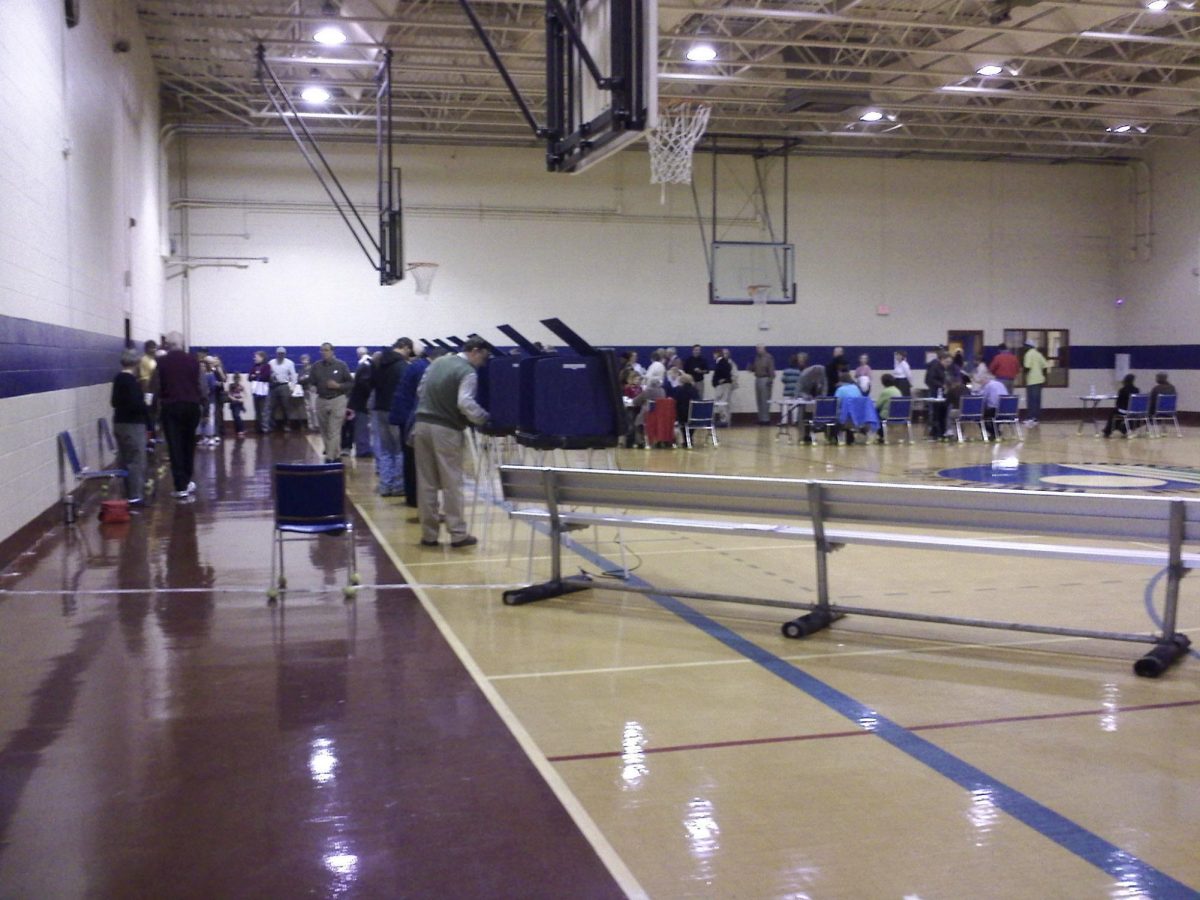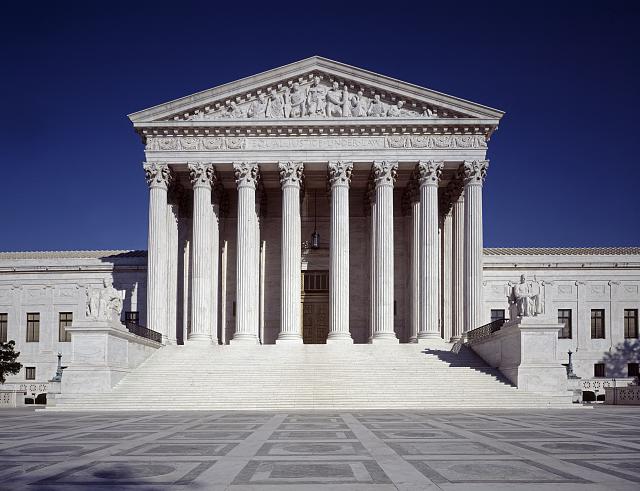
Monday, the Supreme Court ruled 5-4 against the Republican National Committee (RNC) who challenged a Mississippi state law that allow ballots to be counted if they are postmarked by election day and received up to five days after the election.
The Mississippi law protects voters from postal delays.
The ruling preserves the grace period of 29 additional states and Washington, D.C. as long ballots are postmarked by Election Day if they arrive within a state-established deadline.
Among the states with grace periods, the timeframe allowed ranges between one day in Texas and 21 days in Washington state.
Thirty-six states require mail-in ballots be received before or on Election Day, Arizona among them, regardless of when they were postmarked.
Justice Amy Coney Barrett delivered the opinion of the court. “By setting the day for the ‘election,’ these statutes set the day when the electorate must make its choice.”
“The election-day statutes were enacted and amended across almost two centuries. At all relevant times, the word ‘election’ was understood to mean ‘[t]he act of choosing a person to fill an office.'”
“The electorate’s choice is made when voting is complete, not when ballots are received.”
Justice Samuel Alito (joined by Justices Thomas, Gorsuch, and Kavanaugh) agreed that the definition of an election is the electorate’s candidate choice, but strongly rejected the majority’s flexible ballot receipt timeline, arguing that accepting late ballots effectively stretched out the election window.
A former Arizona State Senator who spoke on the condition of anonymity told Northeast Valley News, “Today’s decision is a victory for voters and thwarts yet another tactic in a long line of the GOP’s scheme to cause chaos ahead of the midterms.”
The Supreme Court decision is nationally significant because it protects and validates existing mail-in voting rules used by approximately 30 states (depending on whether all mail-in voters or military and overseas voters are considered).
Had states been locked into 19th-century voting practices, modern conveniences like early voting would have faced similar federal challenges.
Furthermore, a contrary ruling by the Supreme Court would have instantly invalidated those state laws, causing massive confusion for voters who routinely rely on postmark deadlines.
Such a change coming just four months before the 2026 midterm elections would have resulted in a chaotic logistical scramble for state election officials to rewrite their state rules on short notice.