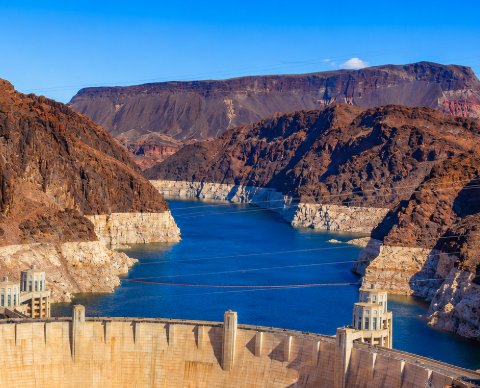
For many metro Phoenix residents, a water crisis feels theoretical.
The faucet works. The water bill arrives.
Apocalyptic warnings come and go.
But for some Arizona farmers, especially those dependent on Central Arizona Project (CAP) water—the shortage became very real years ago.
The reason the water shortage hasn’t reached every person at the same time is because the system wasn’t built that way.
When supplies shrink, CAP water is delivered through a structure that’s based on priority as to who’s reduced first.
“Agricultural users with lower-priority allocations have absorbed some of the earliest and deepest cuts,” Josh Randall, PhD, Senior Policy Analyst in CAP’s Colorado River Programs told Northeast Valley News, “while cities and tribes have been largely insulated from the first rounds of reductions.”
The Lower Basin — made up of Arizona, California, Nevada and Mexico (because the Colorado River physically continues into Mexico, so per a 1944 treaty between the US and Mexico they’re entitled to a share of the water) — was in a Tier 0 status in 2020-2021.
In 2026, we’re now in Tier 1.
Under that shortage, CAP reduces Arizona’s Colorado River supply by 320,000 acre-feet (under the 2007 Interim Guidelines), plus another 192,000 acre-feet (under the 2019 Drought Contingency Plan), for a total of 512,000 acre-feet.
CAP isn’t a small piece of Arizona’s water picture.
“CAP delivers a substantial amount of water to central and southern Arizona,” Randall said, “where 80% of Arizona’s population resides, as well as more tribal water than any other organization in the US, while also supporting multiple industries including defense and mining.”
Agricultural water was one of the first areas to be reduced.
Because the Lower Basin has been under a shortage since 2020, Tier 1 cuts to agriculture were reduced in 2022 and “since 2023 CAP hasn’t delivered agricultural water directly to irrigation districts in the CAP service area” Randall said.
That helps explain the gap between public perception and water reality. A Phoenix-metro resident may not feel a shortage at home, while an agricultural user has.
Warren Tenney, executive director of the Arizona Municipal Water Users Association (AMWUA), described that distinction directly: “Arizona is not running out of water at the taps, but we will have less Colorado River water. This means adapting to using less and the need to invest in new supplies.”
Tenney said each city has a different mix of water supplies and will be affected differently by Colorado River cuts. But he said all ten AMWUA cities that make up about 50% of metro Phoenix have been preparing for reductions after 2026.
“These efforts include working with SRP for the expansion of Bartlett Dam on the Verde River, investing in technology-based initiatives like Advanced Water Purification, adopting policies and codes to ensure efficient water use is prioritized in their communities, investing in new wells to ensure recovery of stored water, and updating shortage plans along with increasing conservation and demand management efforts,” Tenny said.
“Conservation alone cannot fix the challenges we face with the Colorado River, but it is an important tool along with other solutions being pursued by cities,” Tenney said.
AMWUA’s conservation resources on its website point residents toward more specific habits, where it says that reading a water meter is “the first step to managing your home’s water use and finding leaks.”