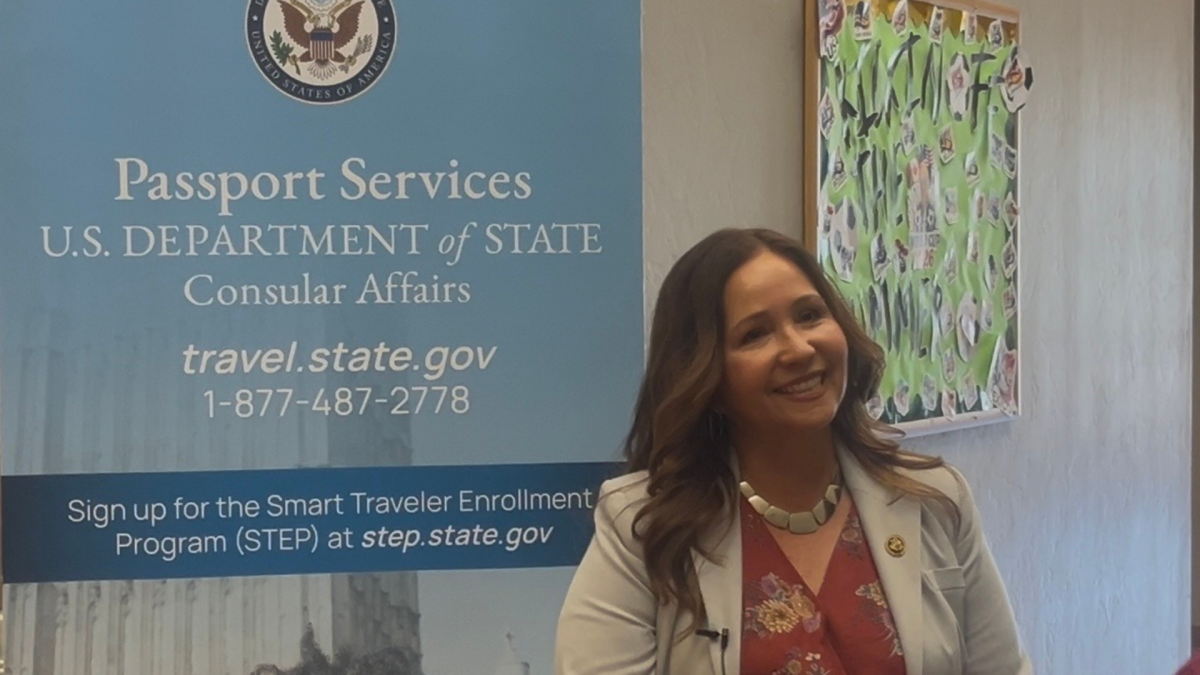
Corte Sierra kindergarten teacher Brenna Paulson told Northeast Valley News about a term she uses to describe the often intense emotions her young students exhibit and how they can learn to manage them.
Paulson uses the term “big emotions” to explain the often strong reactions displayed by her kindergarten students. Even though Paulson said the term is considered common, ‘big emotions’ describe feelings that are overwhelming for the student.
“Really, any emotion can be a big emotion, but it is when it is to the extreme,” Paulson said.
The emotions often appear when a student has an outburst over not knowing how to handle the emotion they are feeling and how the emotions hold different faces.
“A lot of the time big emotions come out as a temper tantrum, other times it is being so overwhelmed with excitement that you just want to run across the classroom,” Paulson said.
According to Paulson, the issue is not the emotion itself, but rather how her kindergarteners manage what they are feeling, since this can impact their entire classroom experience.
“We talk about how it feels, big emotions start in the stomach and come up to your chest.”
Paulson may tell her students, “If you’re having a big emotion, make fists or stomp your feet.”
There’s also a purple pillow in the corner of her classroom and the students know the purpose of the pillow is for squeezing and pulling on it as needed as well as breathing exercises to help the students self-regulate.
Paulson advocates for parents to use their own individual techniques to help their children manage big emotions at home so they can carry what they learn at home to class as well.
In fact, Paulson uses some of the same classroom techniques with her own daughter and allows her child to voice when she needs space in order to coach herself toward calmness.
Teaching her students about managing big emotions equates to teaching them how to self-regulate.
“Self-regulation is important for learning how to handle your feelings and knowing how to handle your big emotions,” Paulson said.
By teaching her students to self-regulate, she gives them a consistent channel to use and handle big emotions whenever or wherever they feel them.
“Just because I want something doesn’t mean I’m allowed to take it—I have to self-regulate.”
Paulson has seen her students adapting to the skills and believes that knowing how to self-regulate at a young age will also help them throughout life.